
In 2023, I reached my breaking point. I was tired of mindless doomscrolling consuming hours of my day without me even realizing it. The constant barrage of notifications and the magnetic pull of social media feeds had turned my phone from a useful tool into a digital leash. After reading Cal Newport’s Digital Minimalism, something clicked. The solution seemed obvious: go back to basics—just calls and texts, like the good old days.
So I decided to conduct an experiment that would span nearly two years and three different devices.
Phase 1: Nokia 2760 Flip - The Radical Experiment
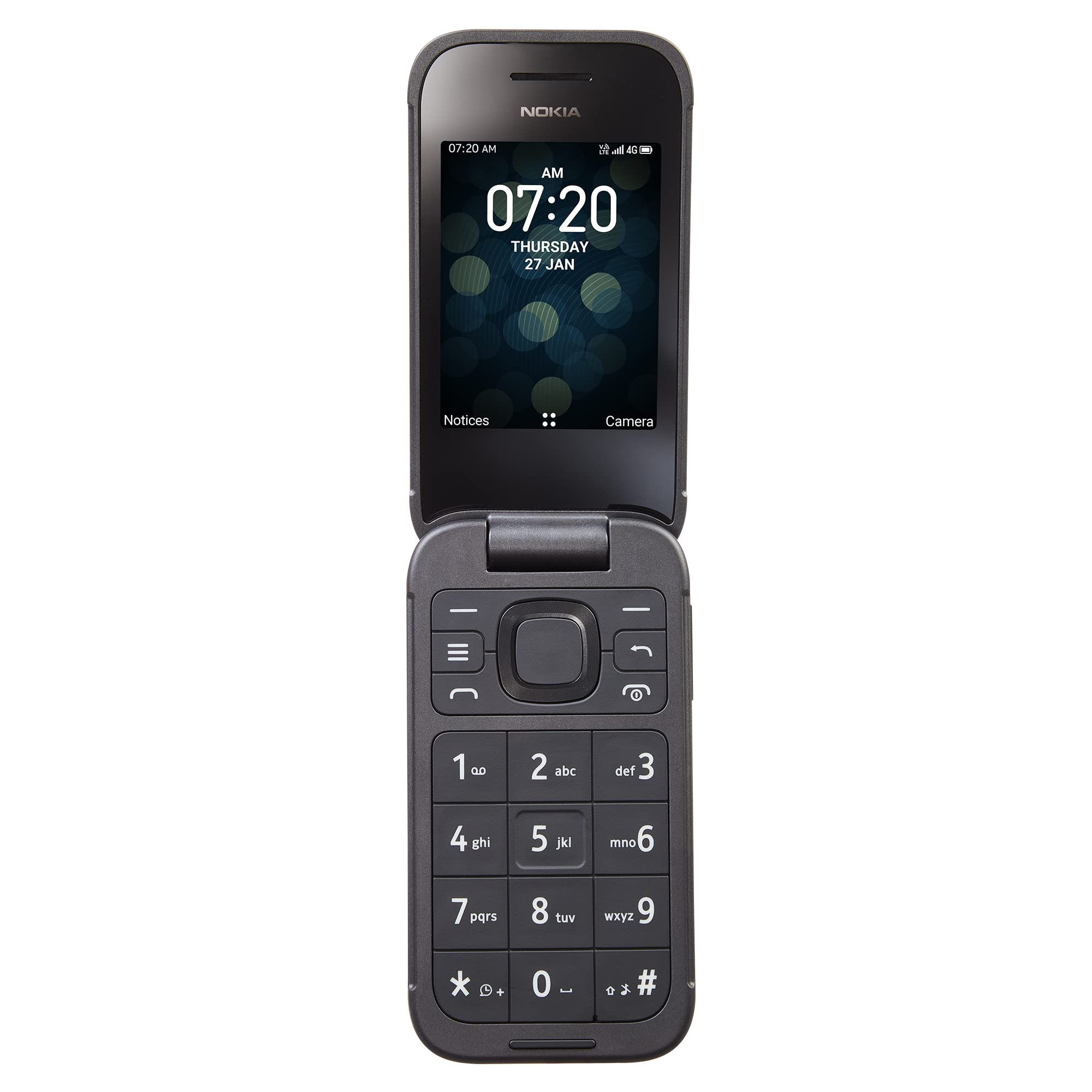
For my first attempt at digital detox, I went all-in with a $20 Nokia 2760 flip phone paired with an equally budget-friendly prepaid plan. Suddenly, I was carrying around a device that wouldn’t have looked out of place in 1999—and that was exactly the point.
The initial results were remarkable. The absence of apps, social media, and even a decent web browser created an immediate sense of mental clarity. I found myself more present in conversations, less anxious about missing notifications, and surprisingly productive during what used to be my mindless scrolling hours.
But reality has a way of intruding on even the best intentions. The friction became unbearable within a few months.
What Worked:
- Immediate and dramatic reduction in screen time and doomscrolling
- Incredible battery life (charged maybe twice a week)
- Extremely affordable setup—total monthly cost under $25
- Genuine sense of digital freedom and mental clarity
- Nostalgia factor made it a fun conversation starter
The Deal Breakers:
- Friends struggled to reach me via group chats and modern messaging
- Work’s on-call requirements demanded internet connectivity and specific apps
- T9 texting felt like typing with mittens on—painfully slow for anything longer than “yes” or “no”
- No GPS meant getting genuinely lost more than once
- Banking, boarding passes, and other essential modern conveniences became major hassles
Phase 2: Cat S22 - The Compromise Attempt
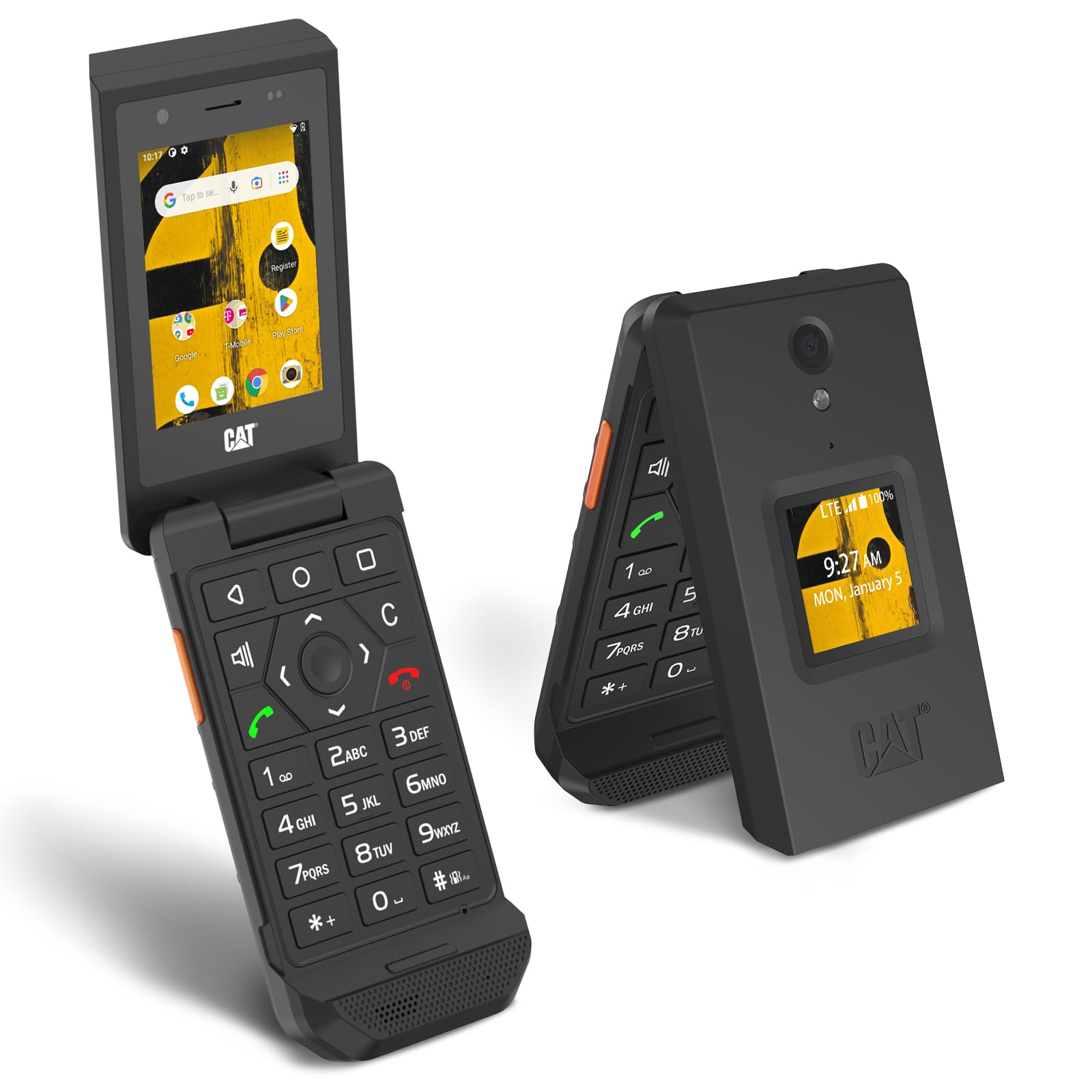
Enter the Cat S22—a rugged Android flip phone that seemed to solve my dilemma. On paper, it was perfect: the flip form factor I’d grown to love, but with the ability to run essential Android apps. Finally, I could have my cake and eat it too.
The S22 represented an interesting middle ground. I could install the apps I genuinely needed for work and life while maintaining the physical barrier of the flip design that discouraged mindless usage. With some aggressive customization—disabling most notifications, hiding social apps, and configuring a minimal launcher—I managed to create a surprisingly functional minimalist smartphone experience.
What Worked:
- Full Android app compatibility solved my essential app needs
- Rugged build quality—could survive any drop or spill
- Flip design still provided psychological barrier against overuse
- With heavy customization, achieved a surprisingly clean minimalist interface
- Maintained most of the digital wellness benefits from the Nokia era
The Fatal Flaws:
- Uncomfortably thick and heavy—felt like carrying a brick
- Severely limited RAM (2GB) made multitasking a nightmare
- Sluggish processor turned simple tasks into exercises in patience
- T9 typing remained the primary input method—still painfully slow
- App crashes and performance issues made it unreliable for business travel
- Small screen made essential apps nearly unusable
While the Cat S22 delivered on its promise of Android functionality in a flip form factor, its performance limitations became increasingly frustrating. The final straw came during a business trip when the phone crashed during an important conference call, and I couldn’t reliably access my boarding pass. I realized I needed something I could actually depend on.
Reluctantly, I returned to a standard smartphone—a Pixel 9—for about a year. It solved the performance and reliability issues, but predictably, my old habits crept back in. The doomscrolling returned, along with the familiar feeling of time slipping away. When the Pixel’s screen started glitching out, I saw it as an opportunity to renew my search for the holy grail: a device that could deliver modern smartphone performance while maintaining the intentional usage patterns I’d cultivated.
Phase 3: Motorola Razr 2025 with Clicks Keyboard - The Sweet Spot
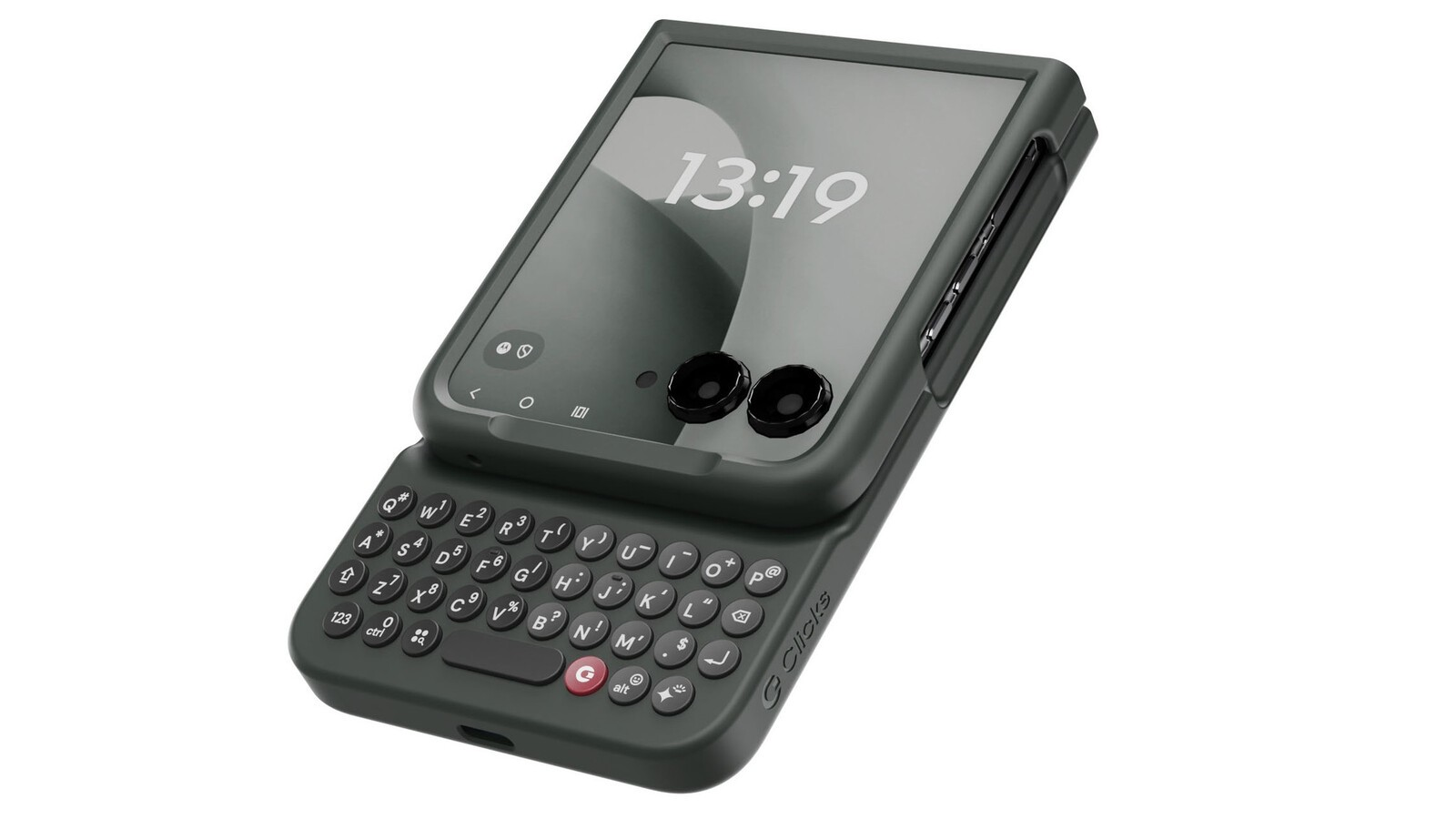
The solution came in an unexpected form: a modern foldable phone paired with a physical keyboard attachment. The combination of the Motorola Razr 2025 and the Clicks keyboard case—affectionately dubbed the “RazrBerry” by enthusiasts—has proven to be exactly what I was searching for.
This setup delivers the best of all worlds. The external screen handles 90% of my daily tasks—checking messages, weather, quick calls, and basic apps—without the temptation to dive into the full smartphone experience. When I do need the complete Android functionality for things like boarding passes, GPS navigation, or work tasks, I can unfold it to reveal a full-sized screen.
The physical keyboard transforms the entire experience. Instead of the hunt-and-peck frustration of T9, I can type at nearly my normal speed. The tactile feedback and precise key presses make composing longer messages or emails genuinely enjoyable rather than a chore to avoid.
What Makes It Perfect:
- External screen provides intentional, focused interactions without falling into rabbit holes
- Physical keyboard enables fast, accurate typing—finally solving the input problem
- Premium foldable hardware delivers flagship performance and reliability
- Flip design maintains the psychological barrier against mindless usage
- Can unfold for full smartphone functionality when genuinely needed
- Battery life easily lasts a full day of normal use
- Unique form factor makes it a genuine conversation starter
Minor Compromises:
- USB-C wired headphones don’t work
- Significantly more expensive than previous attempts
- Bulkier than a traditional smartphone when keyboard is attached
The Lessons Learned
After nearly two years of experimentation, I’ve discovered that the perfect phone isn’t about finding the most minimal device—it’s about finding the right balance between intentional design and practical functionality. The combination of hardware constraints (flip form factor, physical keyboard) and modern capabilities creates just enough friction to prevent mindless usage while ensuring I can handle everything my digital life demands.
The key insight is that digital minimalism doesn’t require going backwards in technology; it requires being intentional about how we interact with that technology. Sometimes the best tool is the one that makes you pause and think before you pick it up, while still being capable enough to handle whatever you throw at it when you do.